By: Rachel Huss, Managing Editor & Staff Writer
Halloween is an ancient Celtic festival of Samhain, a pagan religious celebration welcoming the harvesting season. It’s celebrated every year on October 31st. It’s a time for fun, cute, scary, and thrilling costumes; sweet candy treats; and activities like trick-or-treating and haunted houses. But have you ever stopped to ask yourself why these traditions exist?
There are several traditions surrounding Halloween and the celebration of the fall season that we never think twice about. From the significance of black cats to the reason why Halloween is represented by the colors black and orange, there’s so much to discover!
Jack-o’-Lanterns
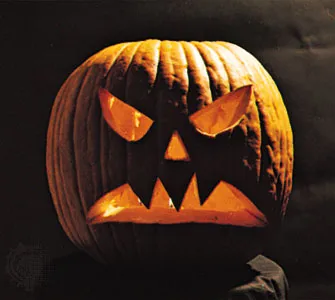
The art of carving scary faces into pumpkins originated in Ireland, except they used turnips. There is a legend surrounding a man named Stingy Jack who liked to trap the Devil. Jack refused to let the Devil go unless he promised Jack would evade Hell. While Jack got his wish and didn’t go to Hell, Heaven didn’t want him either, so he remained on Earth as a ghost.
Since he remained on Earth, the Devil graciously gave him a lump of coal for Jack to burn to light his way. Upon hearing this legend, locals started carving scary faces into turnips to frighten the evil spirits away.
Ghosts & Scary Costumes
The Celts believe that during the festival of Samhain, spirits will walk the Earth. In response to this, Christian missionaries introduced All Souls’ Day on November 2nd. This was a celebration of welcoming the idea of the living coming into contact with the deceased.
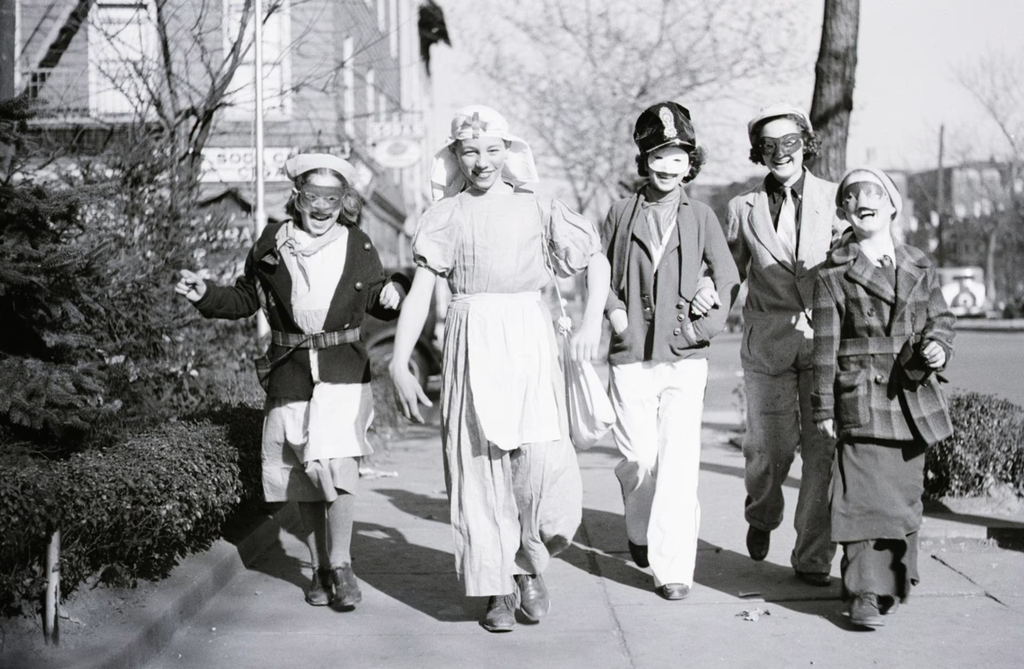
Those frightening costumes we see every year actually originated from a sincere concept. During Samhain, people didn’t want to be terrorized by any evil spirits that walked the Earth. As a precaution, people wore disguises in hopes of confusing the spirits.
Trick-or-Treating
There are actually several theories regarding the origin of trick-or-treating because some may say it’s the most important part of Halloween. There are three primary theories from the Celts, the Scots, and the German-Americans.
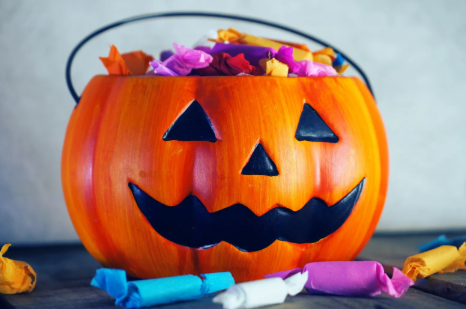
The first theory comes from the Celts. During Samhain, they would purposefully leave food outside their house to appease the spirits walking among the living. It was meant to serve as a peace offering. Over time, people began dressing up as spirits in exchange for treats.
The second theory is from a Scottish practice called “guising.” During the Middle Ages, disadvantaged families and children would collect food and money in exchange for prayers for the deceased on All Souls’ Day. Guisers then dropped the prayers in favor of a non-religious tradition that we know as trick-or-treating.
The final theory is from a German-American Christmas tradition called “belsnickeling,” where children dress up in costumes and call their neighbors to play a game. If the neighbor cannot accurately identify the disguised child, the neighbors have to reward them with treats.
Black Cats & Bats
Black cats have a long-standing reputation for being the symbol of the Devil and satanic practices. During the Middle Ages, people wholeheartedly believed that these cats were a witch’s assistant in evil magic. Centuries later, during the Salem Witch Trials, accused witches coincidentally owned cats, not helping their case in court.
During Samhain, Celts would light bonfires to encourage the spirits and souls to seek the afterlife. Those bonfires would attract bugs, insects, and eventually bats. Medieval folklore found bats to be eerie. Bats eventually developed superstitions that they harbored death.
Black & Orange
We see black and orange splashed everywhere this season, but why these colors? It’s actually very simple, but interesting nonetheless. Celts believed that the color black represented the “death” of the summertime. The color orange symbolized the celebration of the beginning of the autumn harvest season.
Halloween is a fun time of year for all ages, whether you like dressing up, going trick-or-treating, handing out candy, attending parties, partaking in fall activities, or any other way to celebrate the season.
Source: https://blogs.loc.gov/headlinesandheroes/2021/10/the-origins-of-halloween-traditions/