By: Luke Griffith, Staff Writer & Social Media Manager
A Center for Campus Life
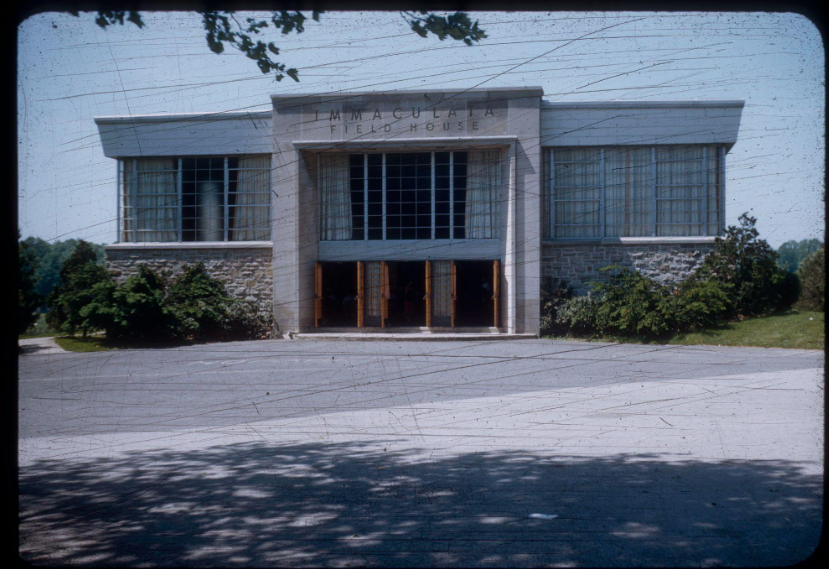
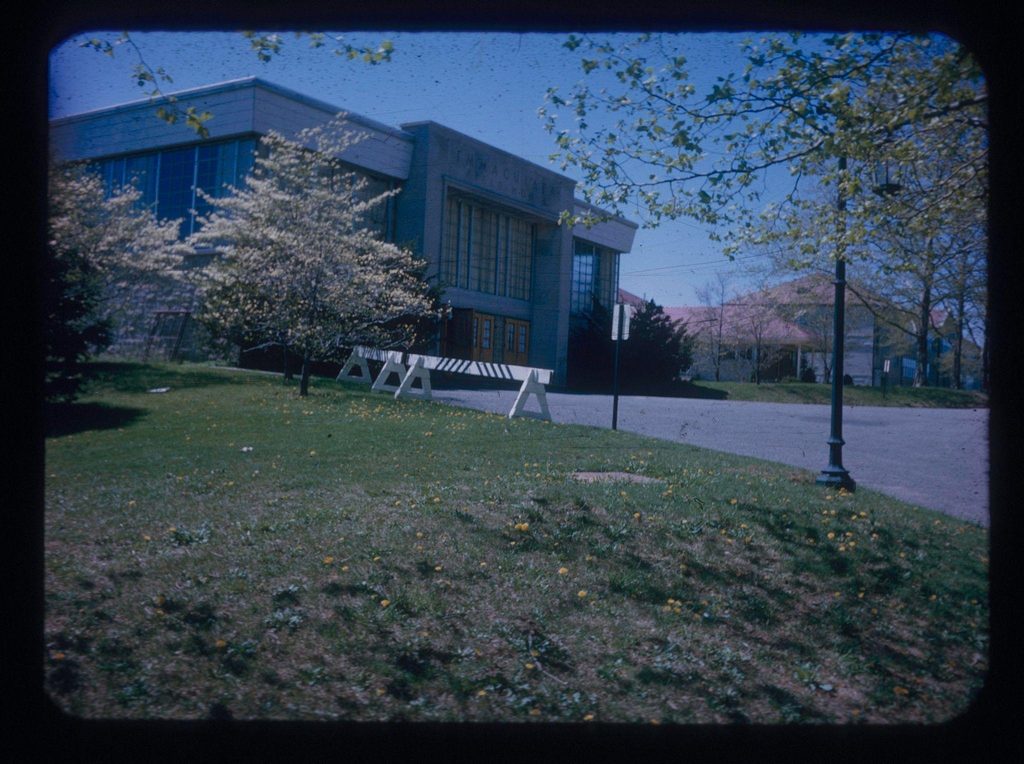
The Field House was constructed in 1949 to provide students and faculty with additional spaces for athletics, recreation, and student activities. At the time, Immaculata was a much smaller school than it is today, and as a result, the Field House served many different functions.
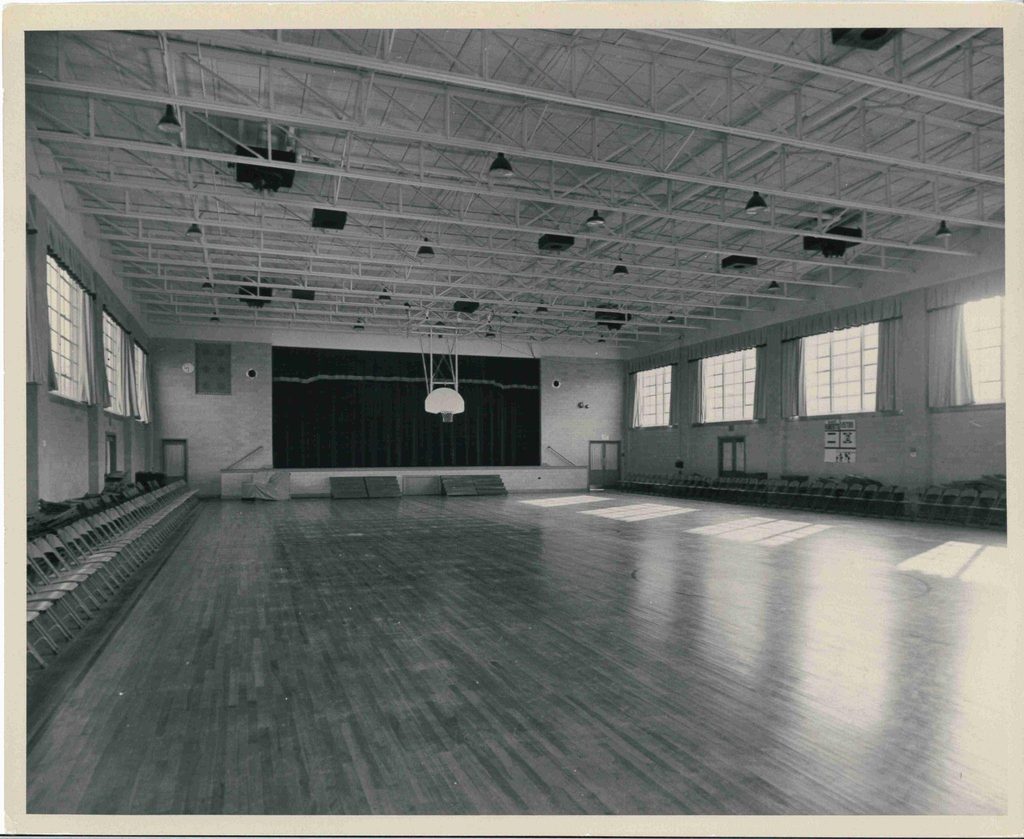
One of the main features of the Field House was the campus gymnasium, which was used for the university’s athletic teams. Prior to the Field House being constructed, teams often had to practice in smaller and more confined spaces throughout campus. Having a dedicated gymnasium for the university was viewed as a major luxury, especially for its growing athletic programs. The building also contained locker rooms and showers for athletes to use. According to alumni, the showers were not in the best condition, as the water was often cold, and showers would sometimes not work at all. This led the students to find other places to change and shower. In addition to serving athletic purposes, the Field House was a place where students could gather for special occasions and enjoy activities outside the classroom, such as assemblies, dances, and theatrical performances.
The Fire on November 17, 1967
On November 17th, 1967, students were preparing for the sophomore cotillion, a formal dance set to take place that evening. According to an account by Joseph Fullam, sophomores had spent time decorating the Field House with a San Francisco theme, including a lighted Golden Gate Bridge and the city’s skyline. While students were working backstage, they noticed a strange odor. Shortly after that, a spark from a pole light ignited a curtain, which started a fire that spread rapidly throughout the building.
Right after the fire started, there were several attempts to extinguish it, all of which were to no avail. As the fire alarm sounded, students quickly ran for the exits. The campus carpenter, Cliff Leaidicker, contacted the fire department, while bus driver Howard Jones attempted to pull down the curtain that was engulfed in flames.
The building was successfully evacuated thanks to assistance from professor Dan Machon and several seniors. This was in the age before cell phones, but news about the fire still spread around the campus rather quickly. Approximately 150 firefighters from Paoli, East and West Whiteland, Malvern, and Berwyn responded to the fire.
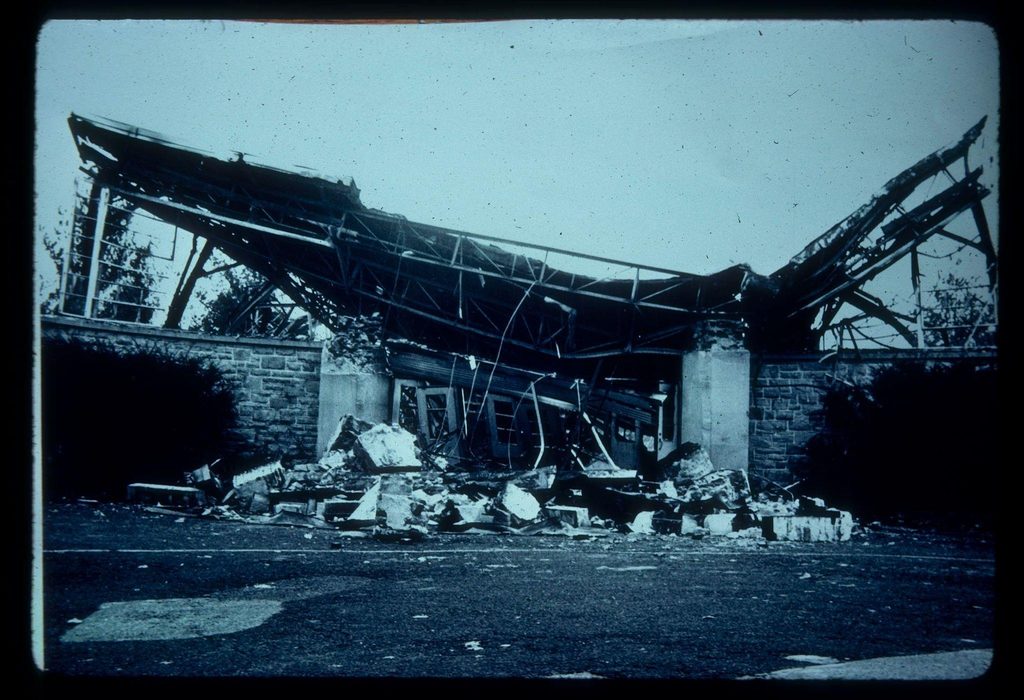
Unfortunately, the Field House was almost destroyed. According to faculty accounts, only the two wooden entrance doors and the stone foundation remained. The building’s cornerstone was recovered in hopes that it could eventually be incorporated into a future building.
Rebuilding After the Fire
Despite the loss, the Immaculata community quickly came together to support the university. Sister Mary of Lourdes, who was the University president at the time, made it very clear that even though she was sad that the building was destroyed, she was most concerned that everyone made it out of the building safely. The university began fundraising efforts almost immediately. According to the facility, the sophomore, junior, and senior classes each contributed $1,000, while the freshman class donated $500.
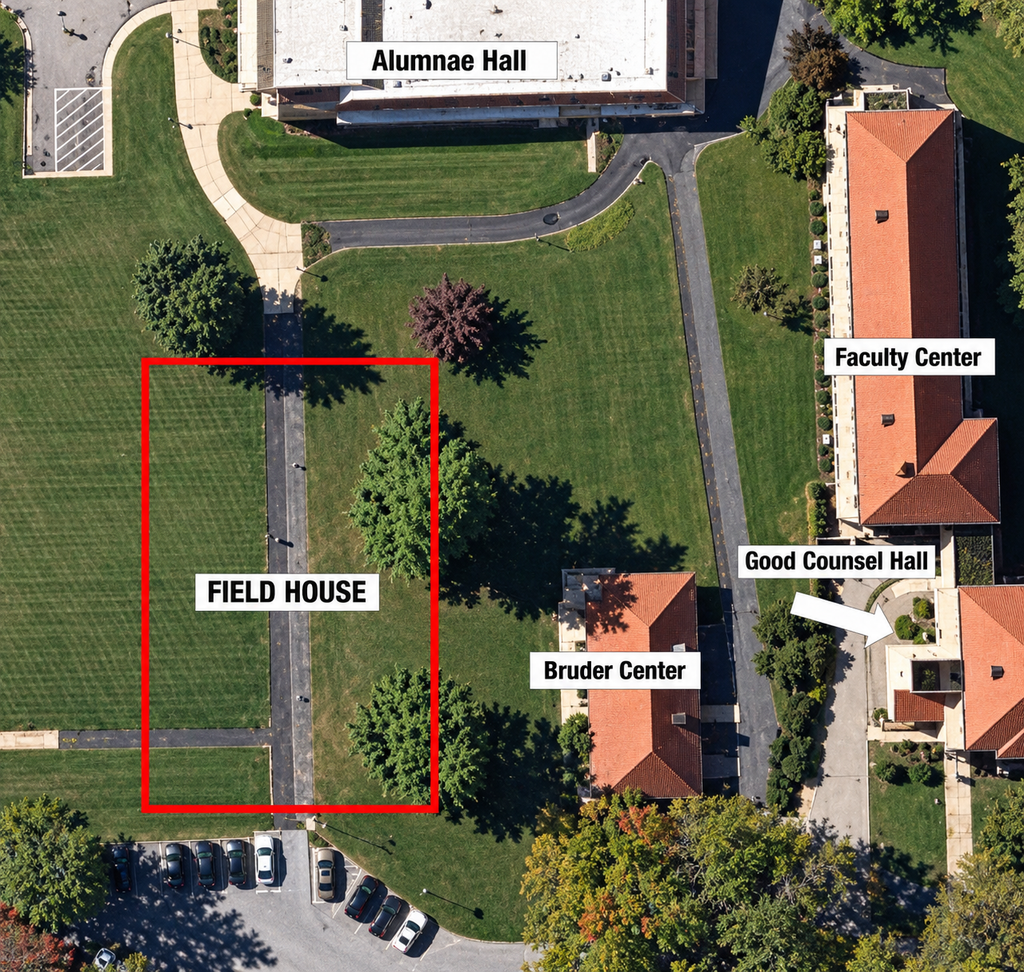
By February 1968, the board of trustees had approved plans for a replacement facility. The proposed building included a 1,500-seat auditorium, a gymnasium with a regulation-size basketball court, an Olympic-size swimming pool to replace the smaller one in the Villa basement, physical education facilities, faculty offices, and spaces for academic and theatrical activities. These plans eventually helped shape the development of Alumnae Hall, which has become a central hub for athletics and recreation at Immaculata.
Remembering the Field House
Even though the Field House only stood for less than 20 years, it played an important role in the university’s history, from basketball games and student gatherings to the tragic fire that ultimately destroyed it.
In 2026, many students are completely unaware of its existence or the circumstances surrounding its demise. However, as time continues to pass, historical photographs and accounts from members of the Immaculata community continue to persevere in its story.
The Field House serves as another reminder of how much the campus has changed over the years and how even buildings that no longer exist can leave a lasting impact on the university’s history.